
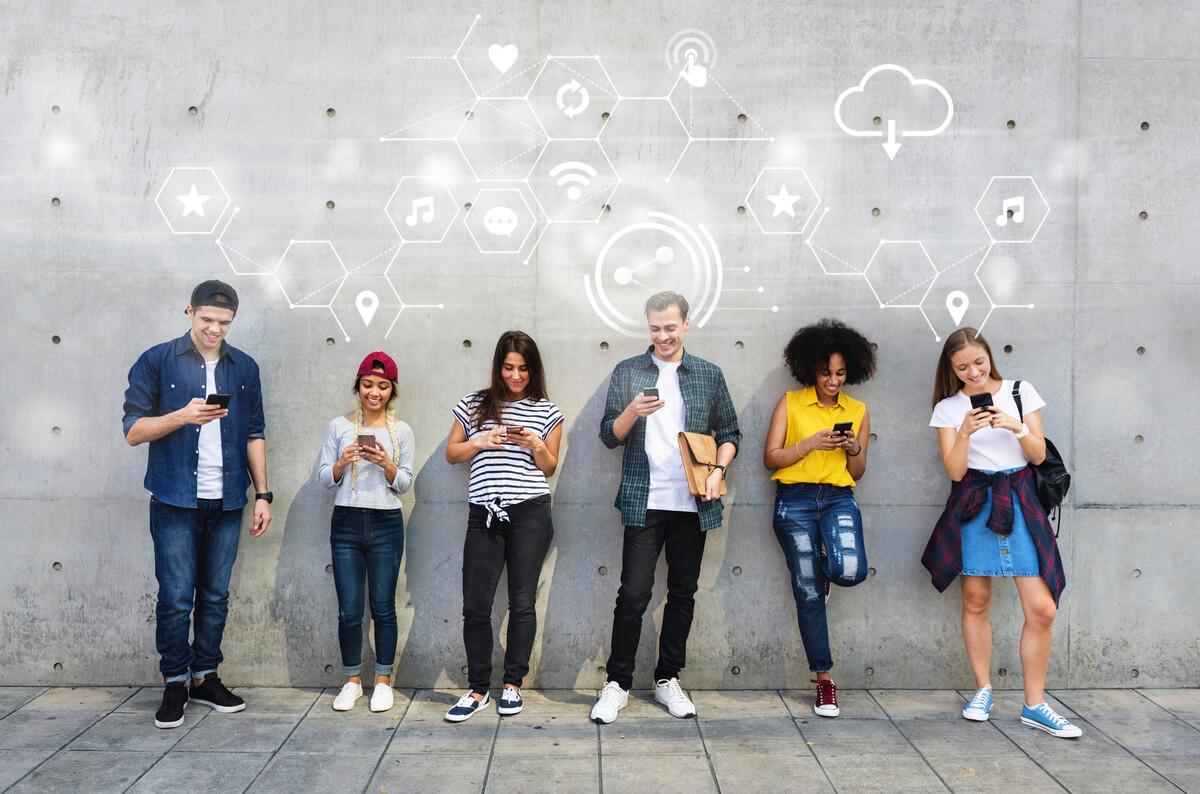
Understanding Gen Z and Millennial: Key Strategies for Reaching and Engaging the Digital Natives
Both Gen Z and Millennials are crucial target markets for businesses. Gen Z, born between the mid-1990s and the early 2010s, and Millennials, born between the early 1980s and the mid-1990s, possess distinct characteristics that set them apart from their predecessors. Understanding these essentials is vital to effectively tap into these lucrative markets.
As the first generation to be classified as "digital natives,"both Gen Z and Millennials hold significant influence over brands. They grew up in a digitally connected world and value authentic and transparent communication. Brands must have a strong digital presence across multiple platforms, including social media, websites, and mobile apps, to engage with these tech-savvy generations effectively.
The Power of Social Media and Influencer Marketing
Social media has revolutionized consumer behavior, especially among Gen Z and Millennials. With smartphones seamlessly integrated into their lives, this tech-savvy generation views social platforms as virtual idea incubators, research hubs, and direct lines of communication with their favorite businesses. They scrutinize a company's track record on social justice, environmental responsibility, and advertising practices. Embracing diversity and inclusivity across all spectrums, they value businesses that champion these principles.
Influencer marketing has become a vital strategy to connect with this audience. Collaborations with micro influencers and nano influencers are particularly effective in reaching Gen Z and Millennials. By partnering with influencers who have a strong Gen Z and Millennial following, brands can authentically communicate their message and forge personal connections with their audience.
The Rise of Smartphone Apps and Brand Collaborations
Smartphone apps have experienced a surge in popularity among Gen Z and Millennials. This generation readily adopts mobile payment solutions like Apple Pay and Android Pay, signifying a shift in consumer preferences. Brands must recognize the potential of mobile apps, which generate a remarkable 157% increase in conversions compared to mobile web sessions. By investing in user-friendly, visually appealing, and feature-rich apps, businesses can drive customer engagement and transactions.
Influencer marketing brand collaborations have also proven successful in capturing Gen Z and Millennial attention. Collaborating with influencers who align with the brand's values and have a strong Gen Z and Millennial following can significantly enhance brand visibility and credibility. These collaborations create authentic connections with the target audience and increase brand awareness among these consumers.
Key Strategies for Engaging Gen Z and Millennial audience: To effectively reach and engage young consumers, brands must employ the following strategies:
- Be Authentic: New-age consumers value transparency and authenticity. Brands should showcase their genuine values and purpose, while avoiding overly polished or staged content.
- Visual Appeal: The new generations are highly visual and appreciate aesthetically pleasing content. Investing in visually captivating posts, videos, and graphics that align with their preferences is crucial.
- Collaborate with Micro and Nano Influencers: Partnering with relevant micro influencers and nano influencers who have a strong Gen Z and Millennial following enhances brand visibility and credibility. Brands can also bank on influencer marketing agencies to connect with the most suitable influencers to reach this cohort.
- Interactive Content: Gen Z and Millennials seek immersive and interactive experiences. Brands can leverage features such as polls, quizzes, challenges, and interactive stories to actively involve the audience and foster deeper engagement.
- Support Social Causes: New-age social media users are passionate about social issues and values brands that actively contribute to positive change. Aligning with relevant social causes showcases a genuine commitment to social responsibility.
- Keep it Concise: The younger generations have a shorter attention span and prefers bite-sized content. Creating concise, impactful messages that are easily consumed and shared across social media platforms is essential.
- Mobile Optimization: Gen Z is a mobile-first generation with a major chunk of Millennials already using mobile phones more than ever before. Brands must ensure that their content and websites are fully optimized for mobile devices to deliver a seamless and user-friendly experience.
Conclusion
Understanding and effectively engaging Gen Z and Millennial users is paramount for brands seeking long-term success. By harnessing the power of social media, embracing authenticity, and leveraging influencer marketing platforms, businesses can connect with this influential demographic. Micro influencers and nano influencer collaboration, along with strategic brand campaigns, are key to capturing their attention. By incorporating the best influencer marketing tools and staying attuned to their evolving preferences, brands can forge strong connections and secure the loyalty of this dynamic generation.